
The EU's approach to textile waste moved onto a binding footing in autumn 2025. Directive (EU) 2025/1892, which amends the Waste Framework Directive (2008/98/EC), was published in the Official Journal on 26 September 2025 and entered into force on 16 October 2025. Its headline measure is mandatory extended producer responsibility (EPR) for textile and footwear products in every Member State. For Turkish exporters supplying apparel and home textiles to the EU, and for the recyclers that process textile waste, the new rules will shape business planning over the next two to three years.
What the directive changes
The 2018 revision of the Waste Framework Directive already required Member States to collect textile waste separately from 2025. What it left largely open was who pays for sorting, preparing for reuse and recycling what is collected. The new directive closes that gap through producer responsibility: whoever makes a product available on a Member State's market for the first time will cover the cost of its collection, sorting and recycling.
According to the European Parliament's summary, the scope covers clothing and accessories, footwear, hats, blankets, bed and kitchen linen, and curtains. Member States may also set up EPR for mattresses. The obligation applies to all producers, including those selling online, whether they are based inside or outside the EU.
Key dates
- 16 October 2025: the directive entered into force.
- 17 June 2027: deadline for Member States to transpose it into national law.
- 17 April 2028: deadline for textile EPR schemes to be in place (30 months after entry into force).
- 17 April 2029: end of the additional year granted to micro-enterprises.
- 31 December 2029: the Commission's evaluation, which will consider whether to set targets for the prevention, collection, preparation for reuse and recycling of textile waste.
As of October 2026, Member States are working on transposition. Because some countries already operate textile EPR schemes, national details such as fee levels, registration procedures and reporting formats are likely to differ. Current dates and documents can be followed on the European Parliament's Legislative Train page.
What it means for Turkish textile exporters
Legally, the EPR obligation falls on the party that first places the product on the EU market: usually the brand, the importer or the online seller dealing directly with consumers. A Turkish manufacturer producing for brands on a CMT or full-package basis may therefore not pay EPR fees itself, but it will not be untouched either.
More data requests
EPR contributions will be calculated by product type and characteristics, and the directive asks Member States to take fast-fashion and disposable-fashion practices into account when setting them. In practice, EU buyers are likely to ask suppliers more systematically for fibre composition, product weight and durability information. Manufacturers that already keep clean product data per order will find these requests easier to meet.
Direct sellers are directly in scope
Turkish brands selling to EU consumers through their own web shops or marketplaces may themselves qualify as producers. They will need to check the registration and reporting rules of each Member State they sell into and, where required, appoint an authorised representative.
Export paperwork
Contracts and documentation also need attention. Product information must match shipping documents, and declarations requested by buyers have to be delivered on time. The same discipline applies to machinery exporters, and a practical view of it can be found in this overview of export documentation and logistics support.
Opportunities and risks for recyclers
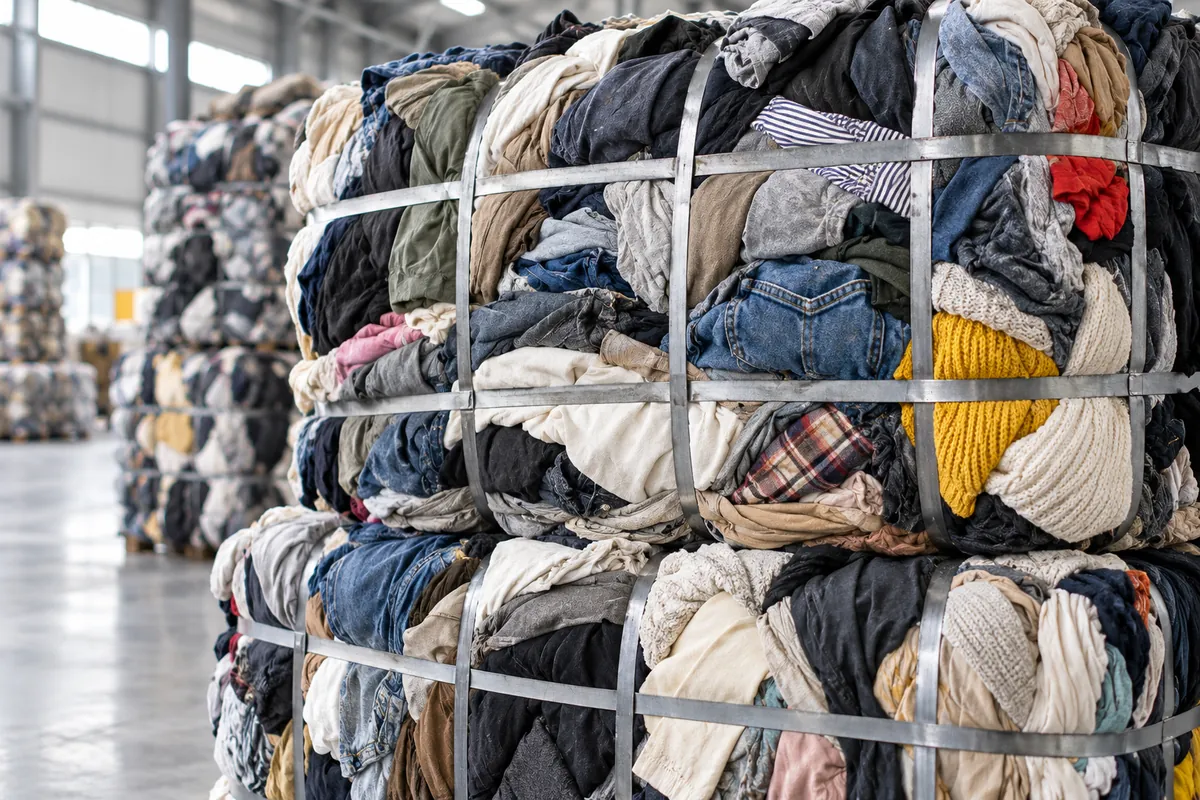
The biggest effect on the recycling sector will come through funding and volumes. As EPR schemes start operating, separately collected textile volumes in Europe are expected to grow, with sorting and recycling supported by producer contributions. The European Environment Agency has likewise warned that sorting and recycling capacity must be scaled up so that collected textiles do not end up in incinerators, landfills or exports outside the EU.
To tackle illegal waste shipments, the directive requires separately collected used textiles to be sorted before shipment, while used textiles found suitable for reuse are not to be considered waste. This could change the quality and paperwork of material for Turkish companies that import used textiles from the EU or work with European sorting plants.
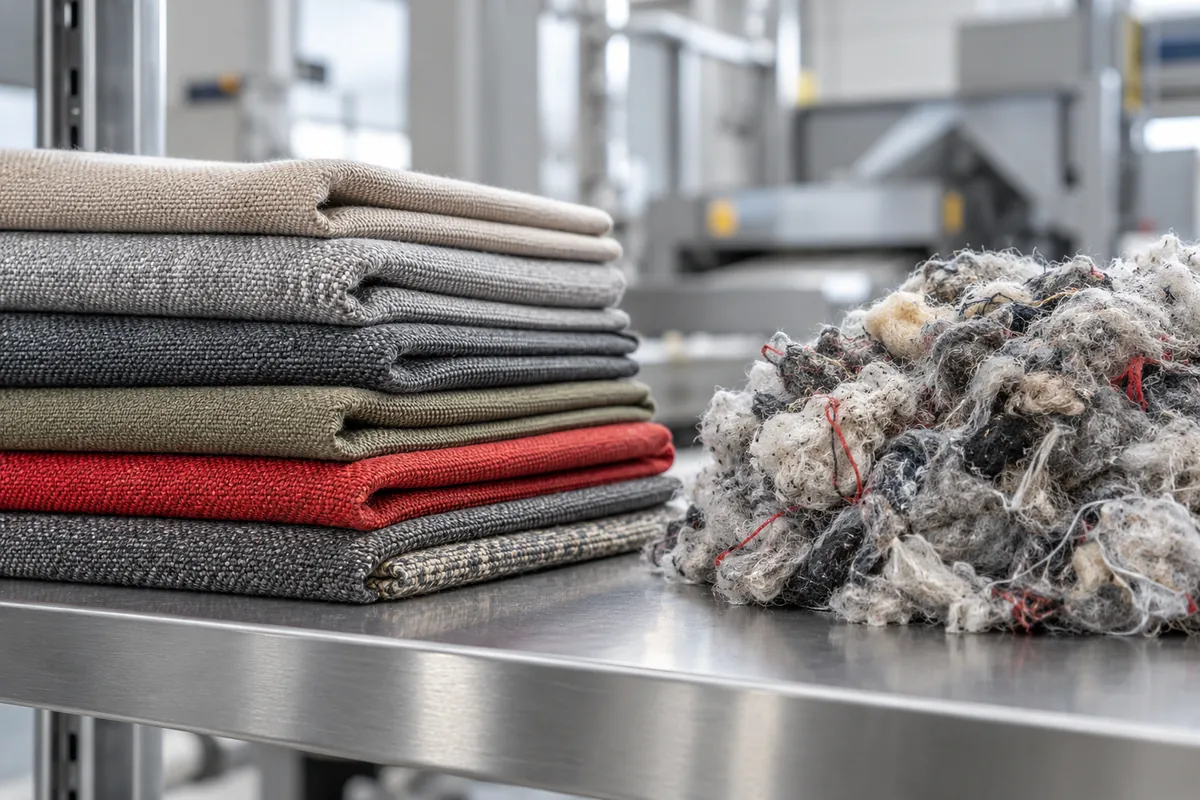
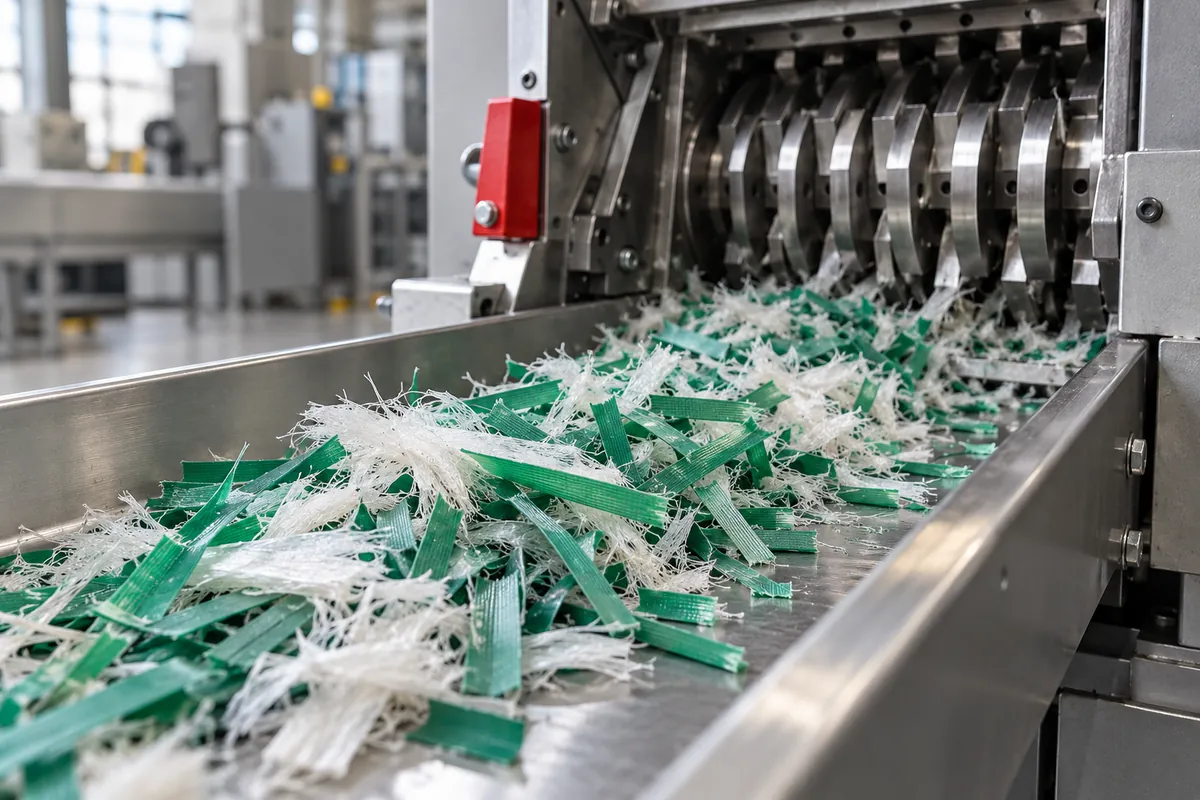
For recycling plants in Türkiye, the real opportunity lies in rising demand for recycled fibre as EU brands pursue closed-loop targets. That demand will come with expectations of consistent cut length, clean and traceable feedstock and stable quality. Investment in cutting, opening and metal separation equipment should therefore be planned together with material traceability and record-keeping systems.
Frequently Asked Questions
When will textile EPR start applying?
Member States must have EPR schemes in place by 17 April 2028 at the latest, with one additional year for micro-enterprises. Some countries may start earlier.
Does a non-EU manufacturer pay EPR fees?
The obligation lies with whoever first places the product on the EU market. Non-EU companies selling directly to EU consumers can be in scope; suppliers producing for brands will mostly face data requests.
Which products are covered?
Clothing and accessories, footwear, hats, blankets, bed and kitchen linen, and curtains. Mattresses are left to Member States.