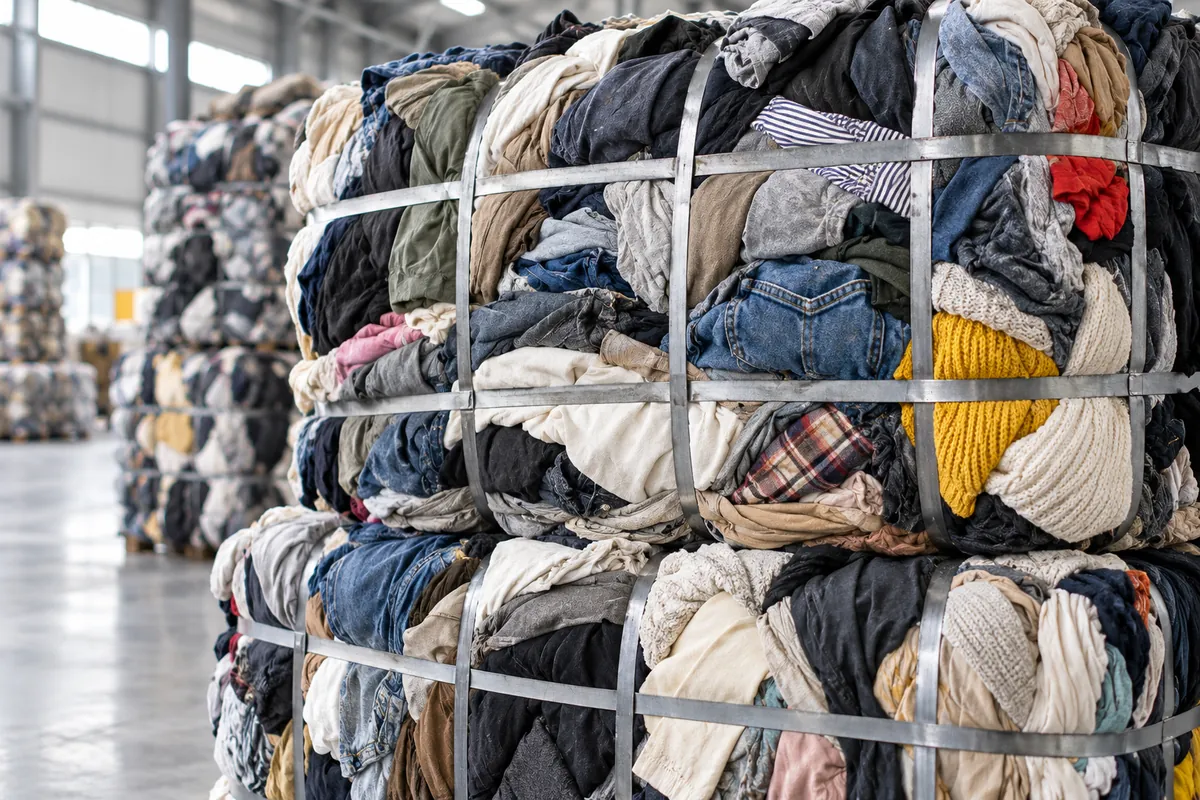

In the European Union, what a garment is made of, how much recycled content it contains and how it can be sorted at the end of its life will soon be held in a single digital record: the Digital Product Passport (DPP). The passport is one of the core tools of the Ecodesign for Sustainable Products Regulation (ESPR, Regulation (EU) 2024/1781), which entered into force in July 2024, and textiles sit at the top of the regulation's priority list. What data will the passport contain, how does the timeline work, and what does it mean for recyclers and companies planning machinery investments?
What is the Digital Product Passport?
A DPP gathers a product's environmental and technical information in a structured digital record that can be accessed through a data carrier on the product. Which data are mandatory for each product group is set in product-specific delegated acts adopted under the ESPR. In other words, the regulation provides the framework and the details come group by group.
A key infrastructure step was taken in 2026, when the European Commission launched the DPP Registry, together with a testing environment and a helpdesk, where economic operators will register passports with their unique identifiers and associated metadata. The registry works as an index pointing to passports rather than a store of the data itself. The first implementation deadline, from 18 February 2027, applies to certain large batteries; textiles will follow at a later stage.
The timeline for textiles
- 16 April 2025: the Commission adopted the Ecodesign and Energy Labelling Working Plan 2025–2030. Textiles, with a focus on apparel, were named a priority product group, with adoption of textile-specific measures tentatively scheduled for 2027.
- 2025–2026: the Commission's Joint Research Centre (JRC) is running the preparatory study for textile products. Comments on the third milestone, covering design options, closed in March 2026; the date of the fourth milestone, which will cover policy scenarios and passport elements, has not yet been announced. Progress can be followed on the JRC's textile products project page.
- 2027 (expected): adoption of the textile-specific delegated act.
- After that: ESPR measures usually apply after a transition period following adoption, so industry sources expect a mandatory textile passport no earlier than around 2028–2029. These dates are indicative, not fixed.
One ESPR provision that is separate from the passport but directly relevant to textiles is already in force: since 19 July 2026, large companies have been banned from destroying unsold apparel, clothing accessories and footwear. The ban applies to medium-sized companies from 19 July 2030, while micro and small enterprises are exempt.
What data will be required?
The definitive list will only be known once the delegated act is adopted. Still, the JRC's "Study on DPP content for textile apparel products under ESPR", dated 15 May 2026, shows where things are heading. It groups data into four pillars: identification and classification (product and facility identifiers, customs codes), product information, environmental footprint and compliance documentation. Key data items include:
- fibre composition;
- recycled content share and supporting certification;
- a recyclability score;
- the presence of substances of concern;
- durability test results and a resulting robustness score;
- care instructions.
The study proposes role-based access: consumers would see basic information, market surveillance and customs authorities would see detailed compliance documentation, and sorters and recyclers would, on the basis of legitimate interest, get access to material purity data and dismantling instructions. It is worth stressing that this is a draft study and the final act may differ.
What it means for recyclers and machine buyers
Recyclers: better input, more paperwork
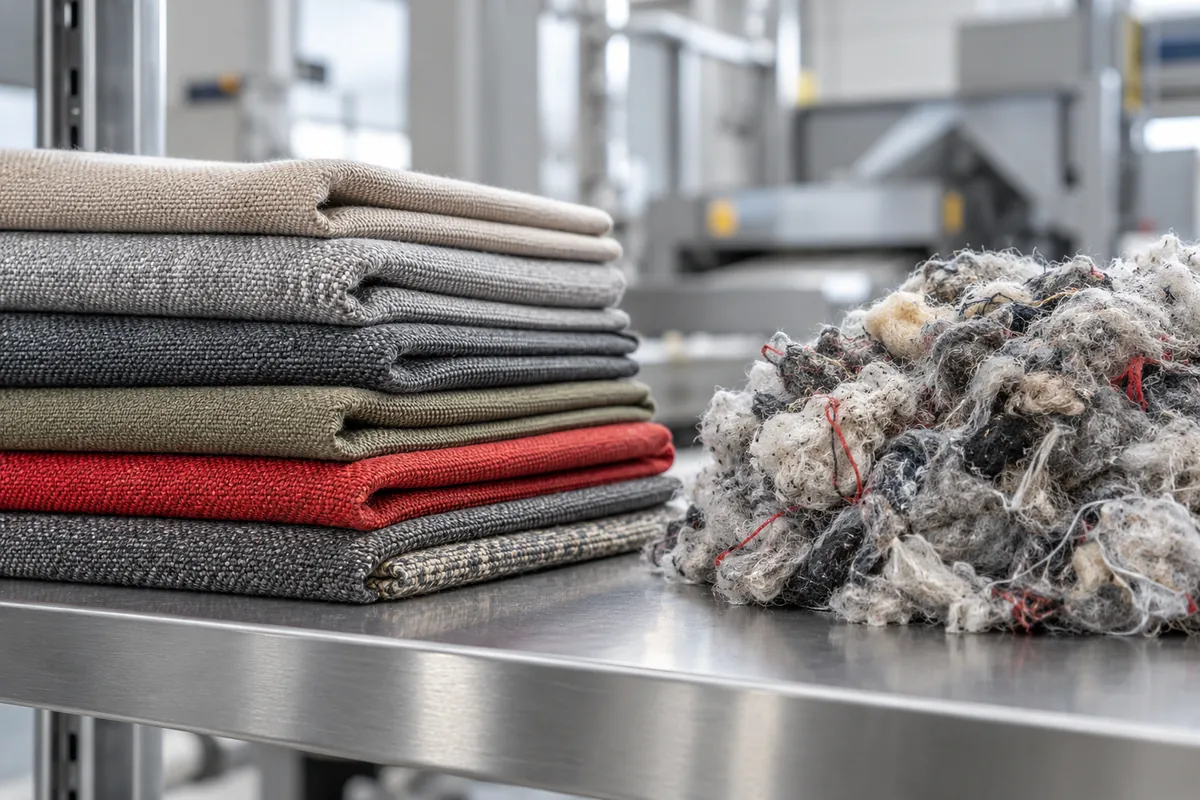
The passport's most tangible benefit for recycling may be access to fibre data at the sorting stage. Composition that today is estimated from labels or optical sorting could in future be read directly from the product record. At the same time, recycled content claims will need certification, so fibre-producing plants will be expected to record input sources, lot data and output. In practice, brands will scrutinise traceability more closely when choosing suppliers.
Machine buyers: plan for traceability from the start
The textile passport is being designed for garments; recycling machines themselves are not its subject. But the data chain that feeds the passport runs through the plants where those machines operate. For a company building or upgrading a line, the priorities are:
- a flow that allows weighing and labelling by lot;
- a line layout that keeps fibre and colour streams from mixing;
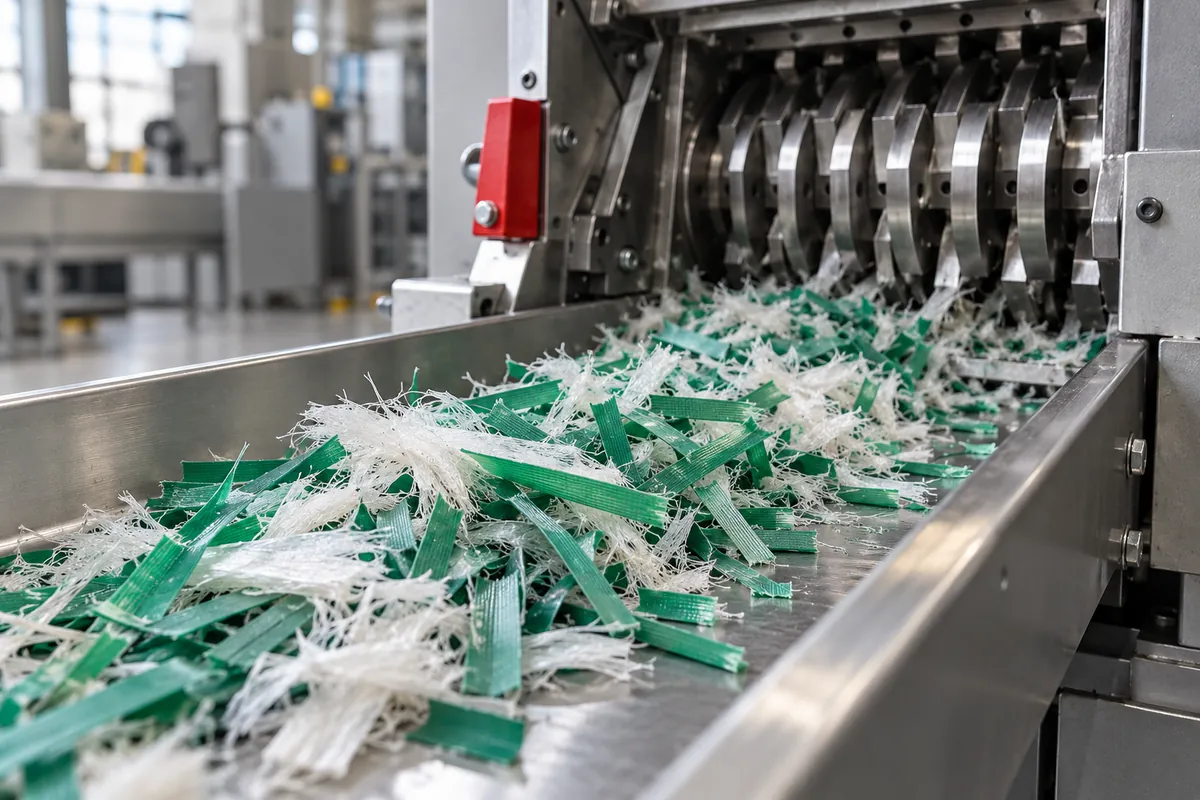
- adjustable, repeatable cut lengths and control interfaces that make record-keeping easier;
- complete technical documentation and conformity paperwork from the machine supplier.
Exporters familiar with the weight of documentation in machinery trade, such as Emil Foreign Trade, deal with buyers' document requests from the quotation stage onward. Machine builders, for their part, are setting out their approach to sustainability in recycling machinery around criteria such as energy efficiency and long service life.
Conclusion
The Digital Product Passport is not yet mandatory for textiles, and the details will become clear with the delegated act expected in 2027. The direction, however, is set: fibre composition, recycled content and durability data are becoming the common language of the supply chain. For recyclers and machinery investors, the smartest move is to build record-keeping and traceability capabilities now.