
In plastic recycling, pre-cutting is one of the first steps that determines how well the rest of the line performs. When material is reduced to clean, consistent sizes before washing, sorting, agglomeration or extrusion, downstream machines run more smoothly, energy use falls and the risk of breakdowns drops. In the European Union, the Packaging and Packaging Waste Regulation (PPWR), in force since 11 February 2025 and applicable from 12 August 2026, aims to make all packaging on the EU market recyclable in an economically viable way by 2030 and to increase the use of recycled plastics in packaging. That framework keeps investment in recycling capacity and quality firmly on the agenda. So what should you look for when selecting a cutting machine for your line? Here are seven key criteria.
Material and cutting requirements
1. Material type: be clear about what you are cutting
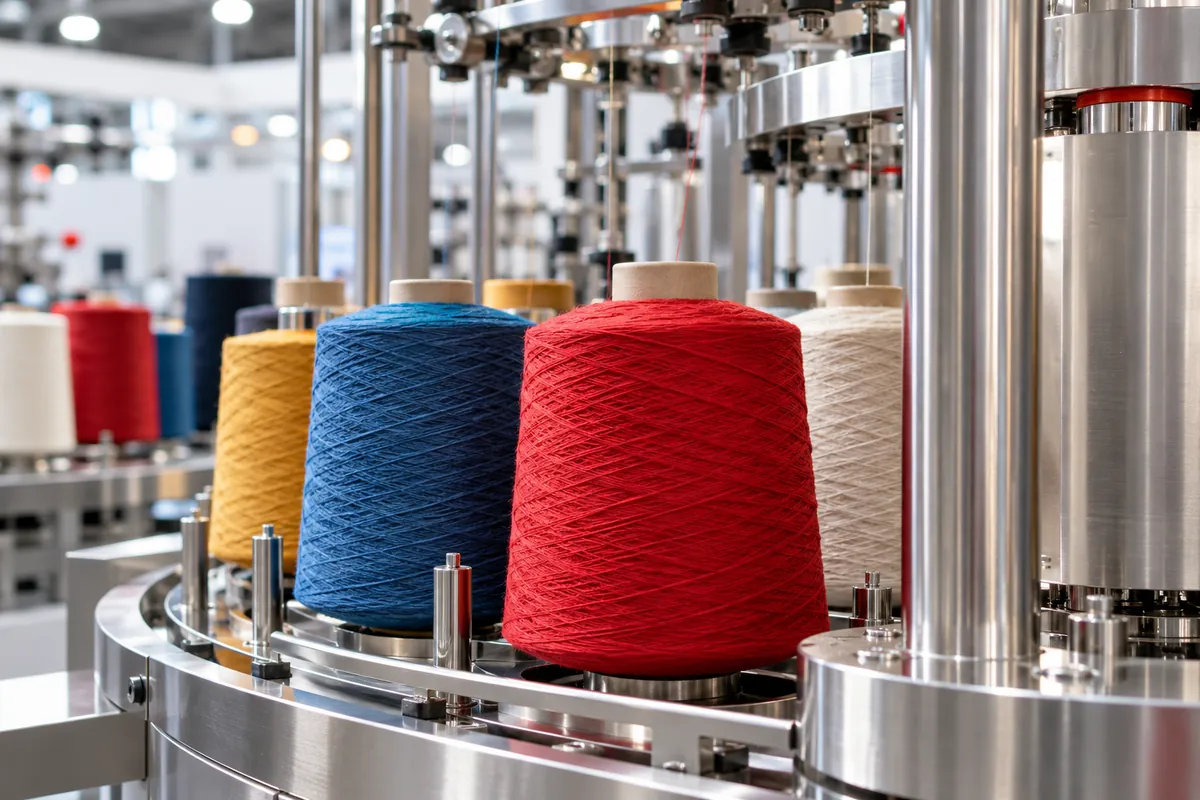
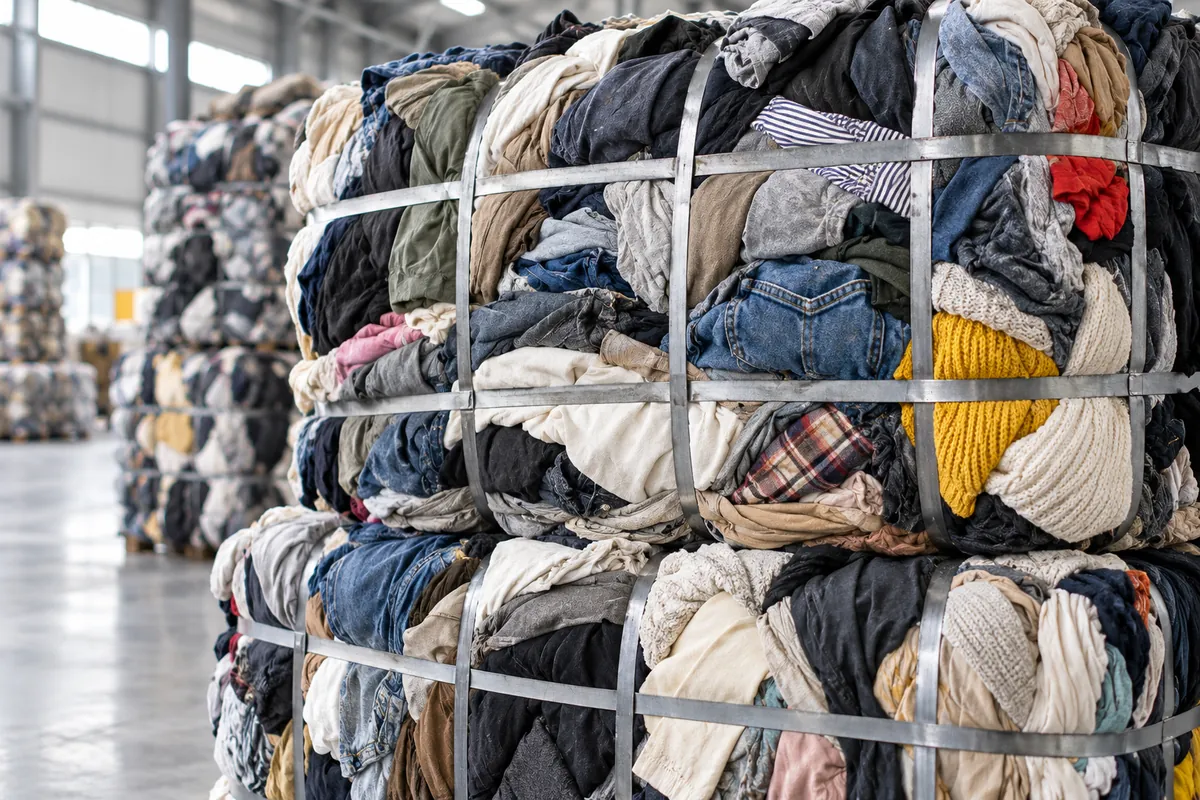
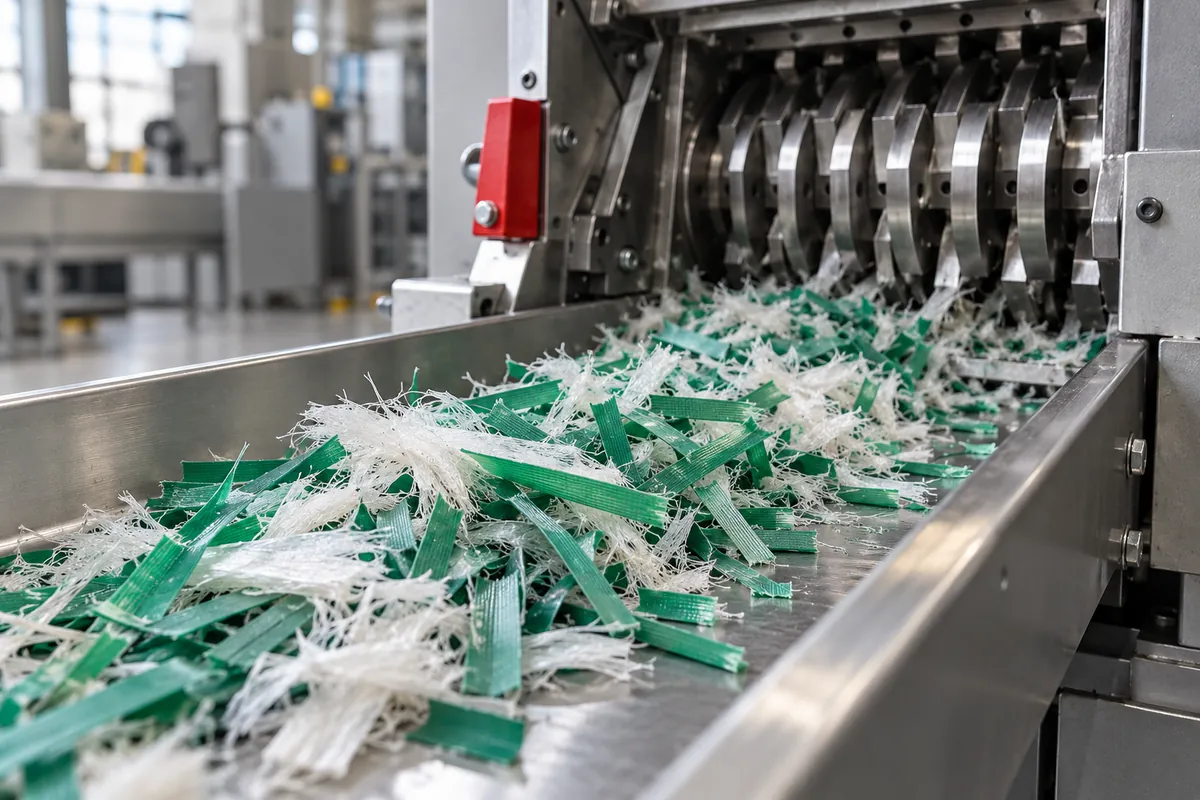
Plastic waste is not a uniform feedstock. Packaging film, PP woven bags and strapping, PET and PP fibre and yarn waste, rope and carpet yarn trimmings, rigid injection-moulded parts and profile scrap all behave very differently under a blade. Flexible, fibrous materials tend to wrap around knives and shafts, while rigid parts bring impact loads and abrasion.
Before talking to suppliers, define the polymer type, physical form, moisture and contamination level (soil, labels, sand, metal parts) as precisely as possible. As a rough rule: where long fibres, yarns or strips must be cut repeatably to set lengths, guillotine or rotary cutting machines are the usual choice; bulky rigid parts are the domain of shredders and crushers.
2. Thickness and target cut length
Material thickness and density directly influence the cutting force required, motor power and blade geometry. Thin film and heavy rope waste cannot always be processed with equal efficiency on the same machine. The thickness of the layer that builds up as material overlaps on the infeed also has to be considered.
The second critical point is the target cut length: what size does the next process expect? For instance, the manufacturer of the MCT60 guillotine cutting machine, built in Gaziantep, Türkiye, specifies cut lengths of 5–36 mm. Check from the outset whether a machine's cutting range fits your process and how easily that setting can be changed.
Capacity and blade design
3. Capacity: catalogue figures versus real output
Catalogue capacities are usually quoted as a range and vary significantly with the material being processed. The same manufacturer, for example, publishes 1,000–3,000 kg/h for its M-80 rotary cutting machine and 300–600 kg/h for the more compact M-50. The width of these ranges shows how much the material and feeding arrangement affect the result.
Asking for a trial cut with your own waste before buying is the most reliable way to spot bottlenecks in advance. When sizing capacity, factor in the number of shifts, maintenance stops, blade change times and future growth: the cutter should never be the slowest link in the line.
4. Blade design and ease of replacement
Blades are the consumable part of any cutting machine. Blade steel quality, whether the knives are replaceable, how long a change takes and how many times they can be resharpened all drive operating costs. Contaminants in plastic waste such as sand, glass and metal accelerate wear, so keeping a spare blade set and planning sharpening at the investment stage pays off. For long guillotine and rotary knives, an in-house knife sharpening machine can reduce dependence on outside services and cut waiting times.
Safety and maintenance
5. Safety
Cutting machines carry serious risks because of moving blades, feed rollers and belts. The main points to assess are:
- Fixed or interlocked guards enclosing the cutting zone,
- Safety interlocks that stop the machine when a cover is opened,
- Easily accessible emergency stop buttons along the line,
- Safe isolation and locking of energy sources during maintenance and blade changes,
- Discharge of cut material into a protected chamber or an enclosed transfer system.
Manufacturers and importers placing machinery on the EU market should also note that the Machinery Regulation (EU) 2023/1230 applies from 20 January 2027, replacing the long-standing Machinery Directive 2006/42/EC.
6. Maintenance and service
A machine's working life depends largely on maintenance discipline. Access to lubrication points, bearing and belt checks, how practical it is to set the blade gap and how quickly spare parts can be sourced should all be part of the selection criteria. Clear documentation in a language your team understands, operator training and settings that can be adjusted on a digital display make day-to-day operation easier. Companies sourcing equipment from abroad should also agree remote technical support and spare-parts lead times up front.
Fitting into the line
7. Line integration
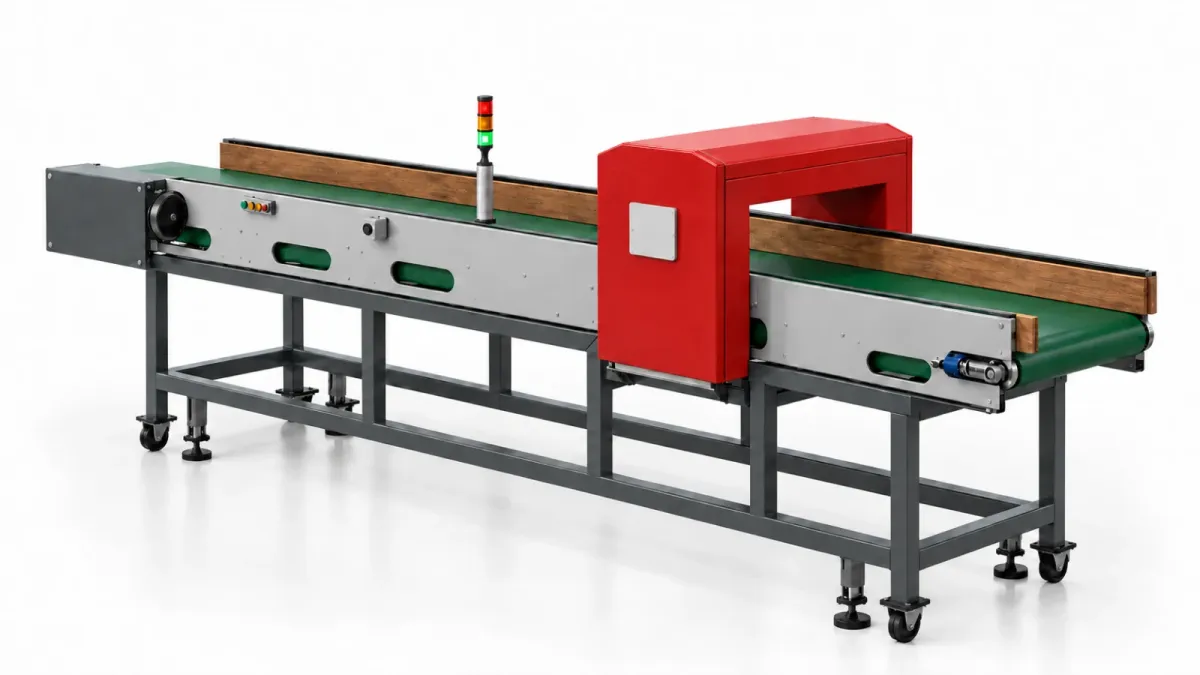
A cutting machine never works in isolation. Upstream there is an infeed conveyor and often a metal detector; downstream an intermediate conveyor, pneumatic transfer or the next machine. Infeed and discharge heights, belt speed synchronisation, a shared emergency stop circuit and communication between control systems need to be planned from day one. Floor space matters too: the MCT60, for example, has a stated overall length of 4,590 mm and an overall width of 1,470 mm, and the footprint needed once conveyors and service clearances are added is considerably larger. For a manufacturer's perspective on the subject, these manufacturer's notes on cutting machine selection are a useful starting point.
Conclusion
The right cutting machine is chosen not just on catalogue capacity but on the waste it will handle, the target cut length, maintainability and how well it fits the rest of the line. Running a trial cut with a waste sample, calculating total cost of ownership including blades and maintenance, and checking safety requirements against the target market's legislation will prevent most unpleasant surprises later. When requesting offers, sharing your material description, target capacity and layout plan in the same format makes proposals easier to compare; a structured quotation request form is one practical way to do this.